


Animals on the Road: What Should Drivers in Australia Know?
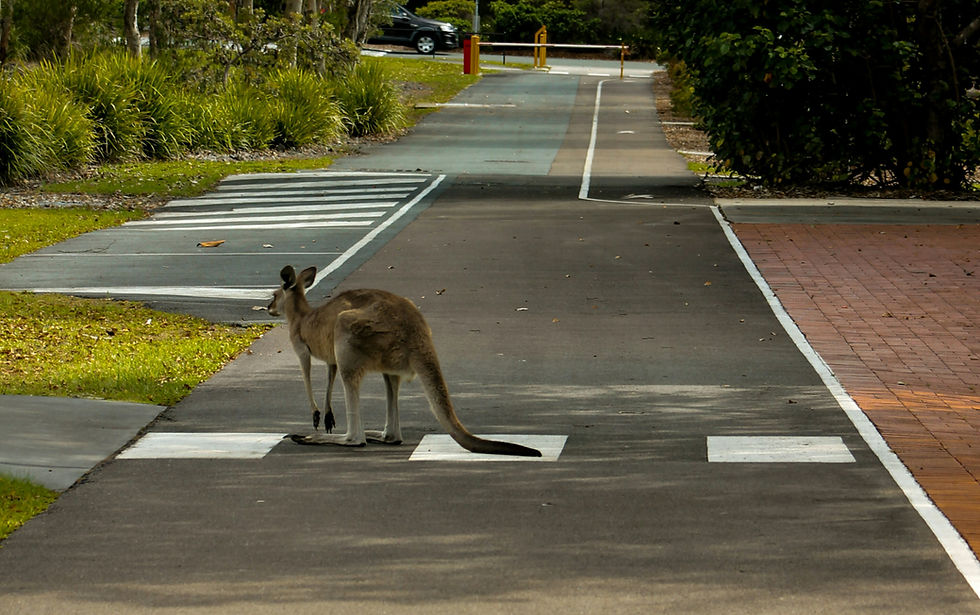
Animals exist on the road in myriad ways. Some are in road-tripping with their people, others are being transported between farms, and many live near one. There’s no road that hasn’t been touched by an animal of some kind. But, for many animals across Australia, it’s the last thing they see. With a dangerous increase in Aussie drivers ignoring wildlife warning signs, these fatalities have only gone up in recent years.
As a driver, we have a responsibility to limit the negative impacts roads have on animals. ‘Slow down’ alerts during koala and joey breeding season aren’t just to preserve the lives of our wildlife, but yours as well. Kangaroo crossings, horse trail signs, and roadside barriers save us as much as them.
Avoiding the Problem
Kangaroos are common frequenters of Aussie roads and some of the most familiar roadkill. They’re usually looking to cross from A to B, either migrating or moving through their territory. They’re not aggressive animals unless provoked, when they can pack quite a punch! In a fight with a 2-tonne vehicle though, they’re going to lose.
The best way to handle the problem is to educate yourself on how to stop it. On average, adult kangaroos can weigh between 35 – 90 kilograms, not dissimilar to a human’s weight. It changes depending on stage of life, species, and sex. Even with the monumental difference between an adult kangaroo and a car, hitting a kangaroo while doing 100km/h on a highway can have horrific consequences.
The kangaroo is dead, dying, or seriously injured. Your car has taken some bad damage and might have been thrown into the neighbouring lane, ditch, or railing. Worst case scenario is that you lose complete control of your vehicle and have a fatal crash. You may take others on the road down with you. Best case is still a grisly one, where you have blood and dents on your car and bits of fur and flesh stuck in your bumper and grill.
Uncomfortable? Good. This is an avoidable fate. According to AAMI national research, more than 40% of animal collisions happen on rural highways when drivers are not paying attention to animal crossing warning signs. These signs are your hint to slow down a bit, check the edges of the road for animals about to cross, and keep your eyes peeled for any movement ahead of you. This can be difficult during winter months as the sun sets earlier. Between May and October is also when the most animal collisions happen, so it’s when we need to be the most vigilant. If you see a dead animal on the roadside, be aware that there may be more nearby. Adjust your speed and stay alert.
Things Happen
While it’s possible to mitigate and avoid animal collisions through caution, sometimes things happen. A kangaroo or wallaby will appear out of nowhere, the long grass beside the road conceals a possum until the last minute, or the afternoon sun gets in your eyes at the worst possible moment. Swerving out of the way of an animal can cause more damage than hitting it.
If, begin slowing down immediately. Don’t slam the brakes for a complete stop, though. Going from high speed to zero puts you and others on the road in more danger. You’ve already hit the animal, your first priority afterwards is ensuring there are no more casualties.
Next, put your emergency lights on and pull over, continuing to slow down. It’s not safe to drive with unknown damage to your vehicle. The animal may also still be alive, in which case your first step after checking yourself and your passengers is to call the wildlife rescuers. For Queensland, phone 1300 ANIMAL (1300 264 625). We recommend inputting your state’s wildlife rescue contact number in your phone as a contact so you can find it easily. People are often frazzled and panicked after an accident, so the easier you make it for yourself, the better. If the animal is dead, move it to the side of the road.
If you’ve hit an animal that you know has a pouch, it’s important that you check it. Pouch checking is recommended by wildlife and animal rescuers like RSPCA, because joeys are known for surviving the deaths of their mothers. If you’d like more information, check out the RSPCA page on pouch checking.
After that, try to stay calm and call your insurance company. Animal collisions can often be claimed under certain policies. Depending on how badly your vehicle is damage, it may need towing or writing off completely. Your next phone call should be to a friend or family member who can comfort you. This is a stressful, upsetting situation and you deserve to be looked after.
Be careful while driving everyone. Stay awake and aware, and you’ll save more than just your own life.


If you're looking for reliable used cars, this is the place to visit. I purchased my vehicle a few months ago, and it has performed flawlessly ever since. The entire process was transparent, and I felt confident with my purchase.
Living in Australia, you quickly learn that wildlife can pop up on the road when you least expect it, especially around dawn and dusk. Slowing down in those areas and staying alert can make a real difference for both drivers and animals. I recently had Car Sound Deadening and Soundproofing Services done on my ute, and being able to hear what's happening around me without constant road noise has made long drives much more comfortable. It is always worth taking your time and watching for wildlife signs because getting home safely is what matters most.